When you want to become a property investor, it’s tempting to look directly into investing in traditional residential real estate. But there are certain advantages to investing in a campground. Campgrounds offer different entrepreneurial opportunities for investors as well as a broad clientele. According to reports, about six out of 10 households have at least one resident that has gone camping recently. This is a testament to the longstanding value of camping and, for that matter, of campgrounds.
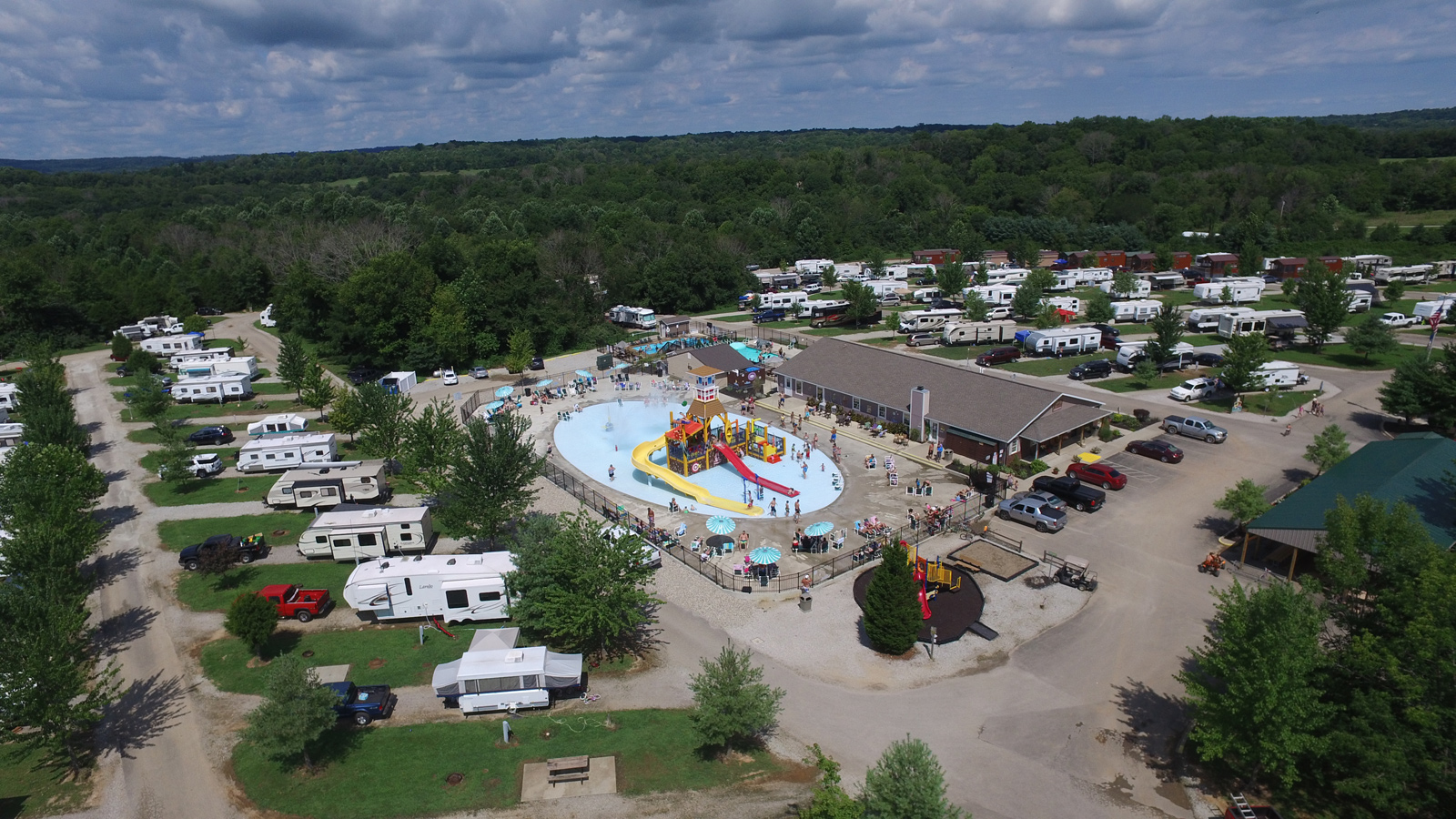
But buying a campground is about more than just the value of the land or its size. Campers have certain expectations out of campsites. As you get into the campsite business, you need to evaluate whether or not you want to include RV parks in your business plan. Some campgrounds are combination traditional campgrounds and RV parks. Though offering space for recreational vehicles may seem to be an obvious choice, it can turn off some more traditional campers. This is the type of thing you should consider when choosing a campground to invest in. Let’s look into some others below.
1. To Fish or Not To Fish?
It’s important to consider whether or not you’re going to let campers fish while at your campground. Fishing is something that a lot of campers are interested in. It can be difficult to fish in suburbia, but it’s something that makes people think of the quintessential camping trip. When buying a campground, you’ll need to consider whether or not that is something that you want to deal with.
For one thing, you’ll need a water source that is kept clean regularly. Freshwater sources like streams or rivers are naturally cleaner, but can also present certain risks associated with the currents. Conversely, lakes and ponds must be cleaned more regularly. There are also legalities surrounding fishing. Some areas will only allow catch and release fishing, whereas others permit people to keep what they catch if they apply for fishing licenses. This is something that you will need to make clear to campers. If you’re buying a campground for the first time, you should consider whether or not fishing should be an option for visitors.
2. Know Your Seasons
Obviously, you understand the four seasons well enough. But when buying a campground, you need to consider which seasons will be most lucrative for you. Typically, those who purchase a campground will make most of their money during certain times of year, while their incomes will be lower during others.
This will depend, of course, on where you invest. Areas like Florida may have more pleasant weather throughout the year, but the swampy conditions of the wilderness there makes it less hospitable for camping. Classic campgrounds in areas like the midwest and west are often subject to four distinct seasons. Summer is the ideal time for camping in most climates, while parts of spring and autumn can also present great opportunities. Keep in mind that, in some areas, autumn is also hunting season, which should be made clear to any autumnal campers. Some campgrounds close entirely during the winter, while others permit winter camping for experienced campers. Consider this before making your purchase.
3. Recognize the Total Costs
There is more to buying a campground than purchasing the land outright. You may also need to pay certain property taxes and insurance premiums. As previously mentioned, upkeep costs will also be necessary, ensuring that your campground is welcoming and provides campers with at least the basics.
When calculating these costs, take them out of your budget. This can help you determine how much capital you will have to invest in a campground. You must look for properties that are priced similarly to nearby locations; the last thing you want is to pay more than what the property is actually worth.
There is much to consider before you buy a campground. It’s a major purchase! But investing in a campground requires relatively minimal input while offering a great return. Furthermore, there is more potential for campgrounds now than ever before. COVID-19 may have negatively impacted the hospitality industry, but spending time in the great outdoors is both safe and appealing. Evaluate buying a campground as you would evaluate any potential investment: carefully but creatively. Contact us today to learn more about investing in a campground today.